 Skip-the-line available
 Best Time to Visit the Monastery of Alcobaça
When the Cistercian church is quiet, the cloister is in golden light, and the tour-bus wave hits — a practical month-and-hour guide.
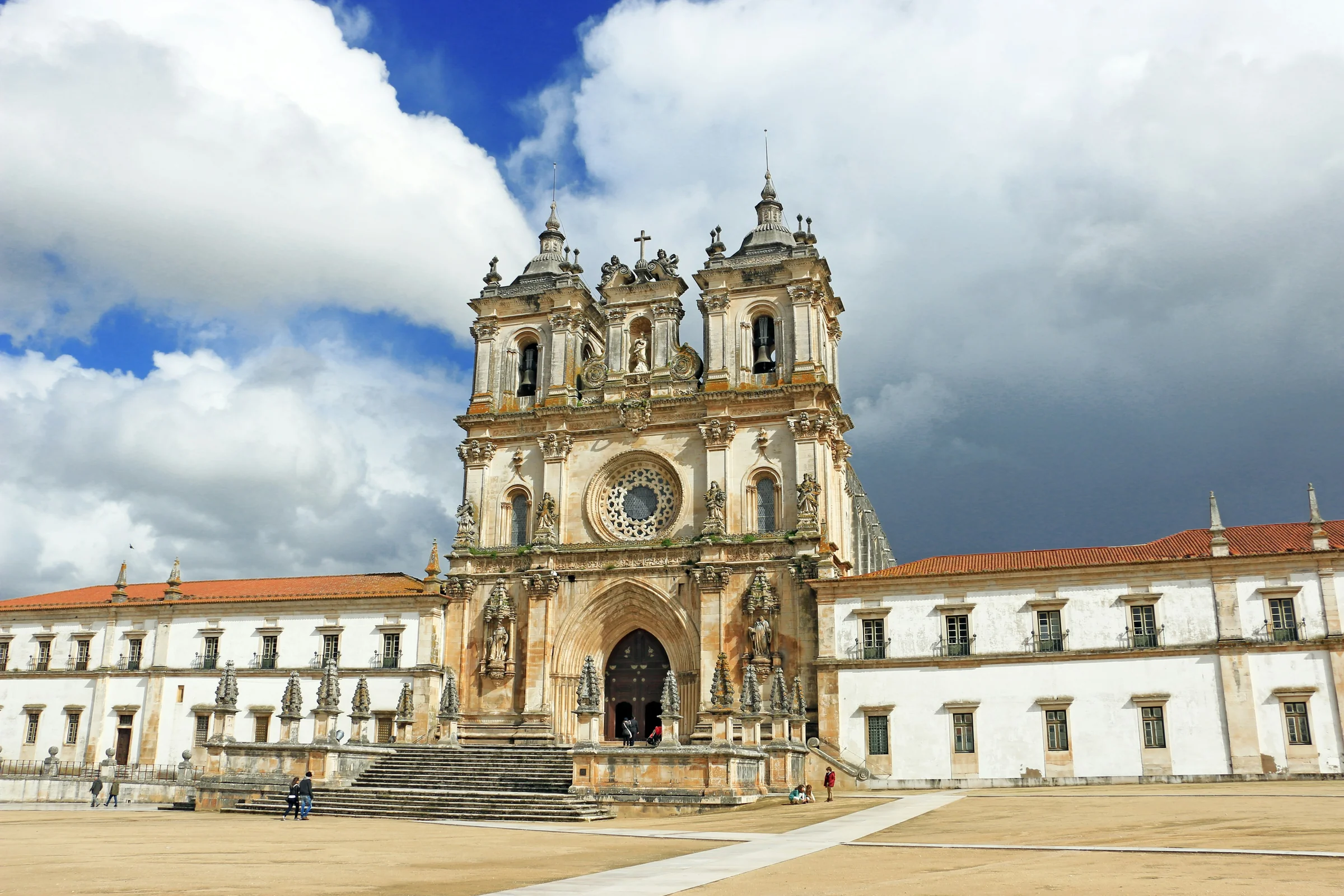
The Monastery of Alcobaça is the largest Cistercian church in Portugal, founded in 1153 by Afonso Henriques after the conquest of Santarém. It sees most of its visitors mid-morning to early afternoon when day-trip coaches from Lisbon arrive together. This guide is when to time your visit to avoid the rush and catch the church and Cloister of Dom Dinis at their best.
By hour: the daily rhythm
08:30–11:00 is the strongest window. The monastery opens at 09:00, and the first hour and a half is essentially crowd-free. The vast Cistercian nave — one of the largest in Iberian Gothic — reads particularly clearly in the soft morning light from the high clerestory windows, before the south-side tour groups arrive. The Pedro and Inês tombs in the transept require quiet to appreciate; that's only possible before 11:00.
11:00–14:00 is peak. Coach tours from Lisbon (a 90-minute drive) arrive together with day-trips coming from Fátima, only 15 minutes away. The nave gets crowded, audio guides bunch up at the kings' tombs, and the Cloister of Dom Dinis can have 200+ visitors at once. After 15:00 the volume drops 50–60% as Lisbon-bound coaches leave. The 16:00–18:00 window catches the cloister's two-storey arcade in late-afternoon golden light — the most photogenic window of the day.
By month: the seasonal ranking
Best months: April through June, and September through October. Mild Portuguese temperatures (12–24°C), low rain risk, and shoulder-season crowds. The monastery's unheated interior is comfortable in spring and autumn; in winter the nave gets cold (8–12°C), in midsummer it stays cool but the cloister patio gets fierce midday sun.
Worst months for crowds: July and August, when international tour groups overlap with Portuguese domestic holidays. Worst for weather: November through February — frequent rain, short days, and the unheated interior at 6–10°C. December–January have the lowest crowds in any year but the highest weather risk.
Combining Alcobaça with nearby attractions
Alcobaça pairs naturally with Batalha (20 minutes east, the other the site authority Gothic monastery) and Nazaré (15 minutes west, the surf coast town). The most-popular full-day route is: Alcobaça 09:00–11:00 → Batalha 11:30–13:30 → Nazaré seafood lunch and cliffs 14:30–18:00. Fátima (15 minutes south-east) is a fourth option for visitors with religious or 20th-century history interest. Tomar (Convent of Christ, 45 minutes east) is reachable but stretches a single day.
Coming from Lisbon, allow 90 minutes each way by car. Rede Expressos buses from Lisbon Sete Rios reach Alcobaça in about 1h 50min several times daily. Most visitors arrive by car or organised tour; public bus + walking works but adds 30–40 minutes of logistics per stop.
Frequently asked
When is Alcobaça Monastery least crowded?
Before 11:00 and after 15:00 on weekdays. The 11:00–14:00 window is peak, with coach tours from Lisbon and Fátima arriving together. Tuesday and Wednesday tend to be slightly lighter than Saturday.
What is the best month to visit Alcobaça?
April through June, and September through October. Mild temperatures (12–24°C), low rain risk, and lighter crowds. Avoid July–August (peak crowds + heat) and November–February (cold, frequent rain, unheated interior).
How long does a visit to Alcobaça Monastery take?
Most visitors spend 90 minutes to 2 hours. The Cistercian church takes 30–40 minutes, the kitchen and refectory another 15–20, the Cloister of Dom Dinis 20–30 minutes (longer with good light), and the Kings' Hall a final 15 minutes.
Can Alcobaça be combined with Batalha in one day?
Yes — they are 20 minutes apart by car, both the site authority monasteries. The standard combined day is Alcobaça morning → Batalha afternoon, or vice versa. Allow 2 hours per monastery and 30 minutes for the drive plus lunch.
Is photography allowed inside Alcobaça Monastery?
Yes, personal photography without flash is permitted in most areas. Tripods may require a permit. The Pedro and Inês tombs and the cloister are the most-photographed subjects. Check current photography rules with the ticket office before using a tripod.
Are there guided tours of Alcobaça?
Yes, both group and private guided tours are available in Portuguese, English, French and Spanish during peak season. Self-guided audio tours and free printed guides also work well. The most-photographed details (Inês tomb fine carving, kitchen chimney) reward a slow self-paced visit.